S2 · 商超与周转
S2 · Retail & transport
围绕货架补货、商超取放与仓储线边周转,梳理不同高度与通道中的作业需求。
Explore shelf replenishment, retail handling and warehouse line-side transport across different heights and aisles.
让机器人的能力,走进具体的工作现场。
Bring robot capabilities into real working contexts.
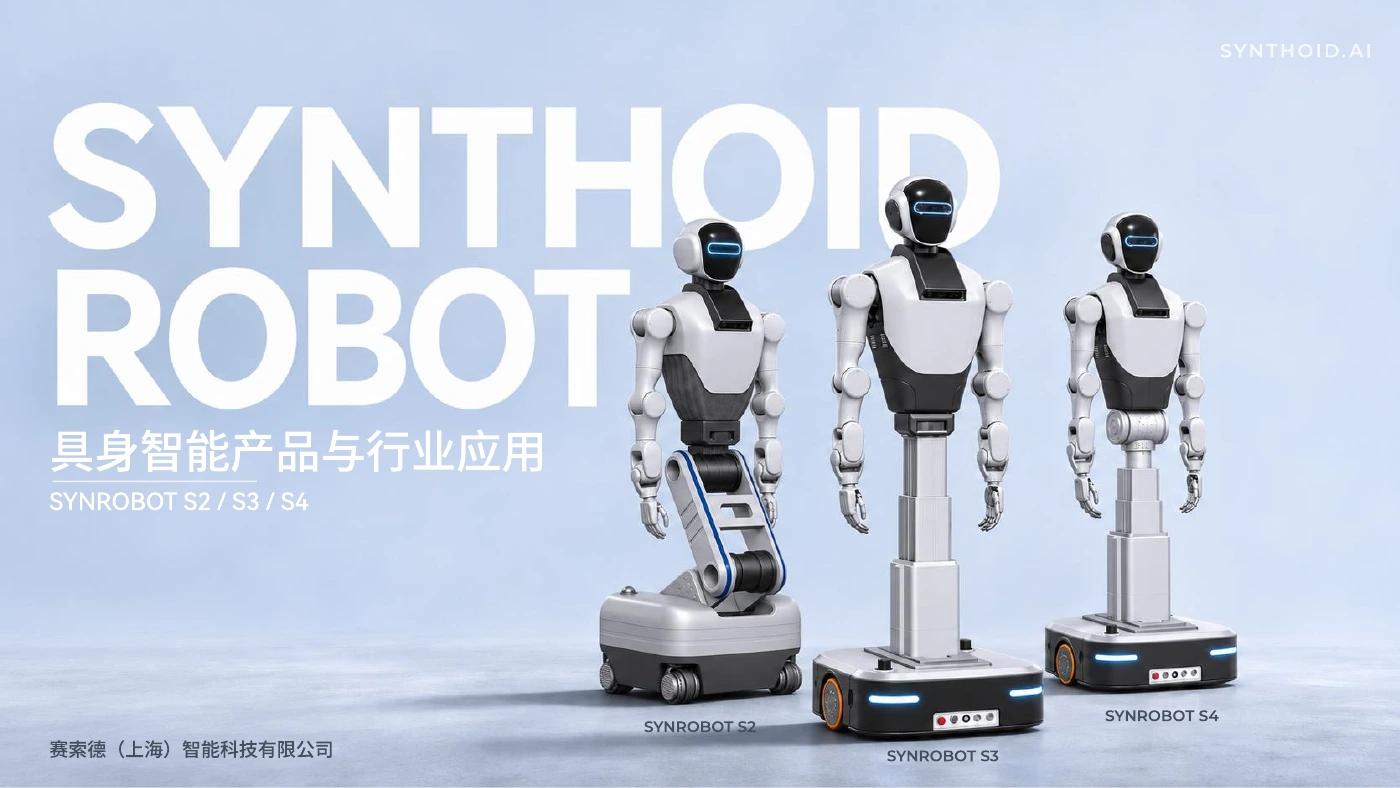
我参与 S2、S3、S4 三款具身机器人的产品定义、工作场景研究与选配需求,把作业目标转化为本体构型、末端、底盘与交互系统的产品输入。
I contributed to product definition, working-context research and configuration requirements for S2, S3 and S4, translating operational goals into inputs for body configurations, end effectors, mobile bases and interaction systems.
从取放高度、工作空间和移动方式,到供电、接口与维护,逐项梳理场景对产品的要求,并在产品、算法、软件、硬件与工业设计之间推进协同。
From handling height, workspace and mobility to power, interfaces and maintenance, I worked through what each context requires and coordinated across product, algorithms, software, hardware and industrial design.
围绕货架补货、商超取放与仓储线边周转,梳理不同高度与通道中的作业需求。
Explore shelf replenishment, retail handling and warehouse line-side transport across different heights and aisles.
围绕移动双臂与电子装配辅助,研究工位衔接、操作空间与任务组织。
Study workstation transitions, workspace and task organisation for a mobile dual-arm robot and electronics assembly support.
结合腰部俯仰构型,梳理工位俯身作业、上下料及其空间与姿态要求。
Work through reaching, machine tending and posture requirements around a waist-pitch configuration.
末端可以是灵巧手、两指或三指夹爪,左右臂分别配置;底盘与能源补给也随场景选择。选配需求同时要落到负载、连接、供电通信、抓取策略和现场运行条件。
End effectors include dexterous hands and two- or three-finger grippers, configured independently for each arm. Base and energy choices follow the context. Configuration requirements connect payloads, mechanical coupling, power and communication, grasp strategy and site conditions.
比较电动、气动与机械方案,整理选型评估报告,并通过评审确定电动方案,把使用需求转为技术取舍。
Compare electric, pneumatic and mechanical approaches, prepare an evaluation report and support the review that selected an electric solution.
对比材质、工艺与颜色,将接口预留、装配公差等约束转为外观设计输入,协调工业设计、结构与供应链,推进产品亮相工博会。
Compare materials, processes and colours. Translate interface reservations and assembly tolerances into design inputs, coordinating industrial design, structure and supply chain through the industrial-fair presentation.
研究欧盟 CE、机械安全与电磁兼容要求,形成合规与采购核对清单,为方案评审和采购提供依据。
Research EU CE, machinery-safety and EMC requirements and organise compliance and procurement checklists for evaluation and purchasing.
定义 CAD 导入、点云转换、操作点标注到现场点云校验的流程,为 RGBD 工件坐标、位姿识别与力觉精准作业准备数据基础。
Define the flow from CAD import through point-cloud conversion and operation-point annotation to on-site validation, preparing data for RGBD object localisation, pose recognition and force-guided operations.
S3 Design System 从真实具身机器人产品出发,组织设备状态、地图、任务、感知与控制。组件、页面模板与生成规范,为不同技术背景的同事提供一致的页面构建依据。
S3 Design System starts from a real embodied-robot product, organising device states, maps, tasks, perception and controls. Components, page templates and generation guidelines give colleagues across technical backgrounds a shared basis for building interfaces.
把机器人三维模型、室内地图与情境卡片放进同一张工作台。标签连接具体部件,底部卡片向上展开,待命与巡检之间保留空间上下文。
Bring the robot model, indoor map and contextual cards into one workspace. Labels connect to parts, bottom cards expand upward, and spatial context carries across standby and inspection.
围绕地图连接对象选择、遥操、摄像头与 Agent。展开 Agent 时,感知列表压缩为最近三项,同时保留对象、会话与未发送的输入。
Connect object selection, teleoperation, camera views and an agent around the map. Opening the agent compresses perception to the latest three items while keeping the selected object, conversation and unsent input.
两个实例使用本地演示数据,呈现任务、状态与交互流程。
Both experiences use local demo data to illustrate tasks, states and interaction flows.